Unlocking the True Value of High-End Replica Watches
Most people who land on this page already know the basics: there are cheap fakes, and there are high-end replicas. But the real question that separates a satisfied buyer from a disappointed one is not “which model looks best” or “which factory has the best reputation.” The real question is: what are you actually paying for, and what will you get in daily use?
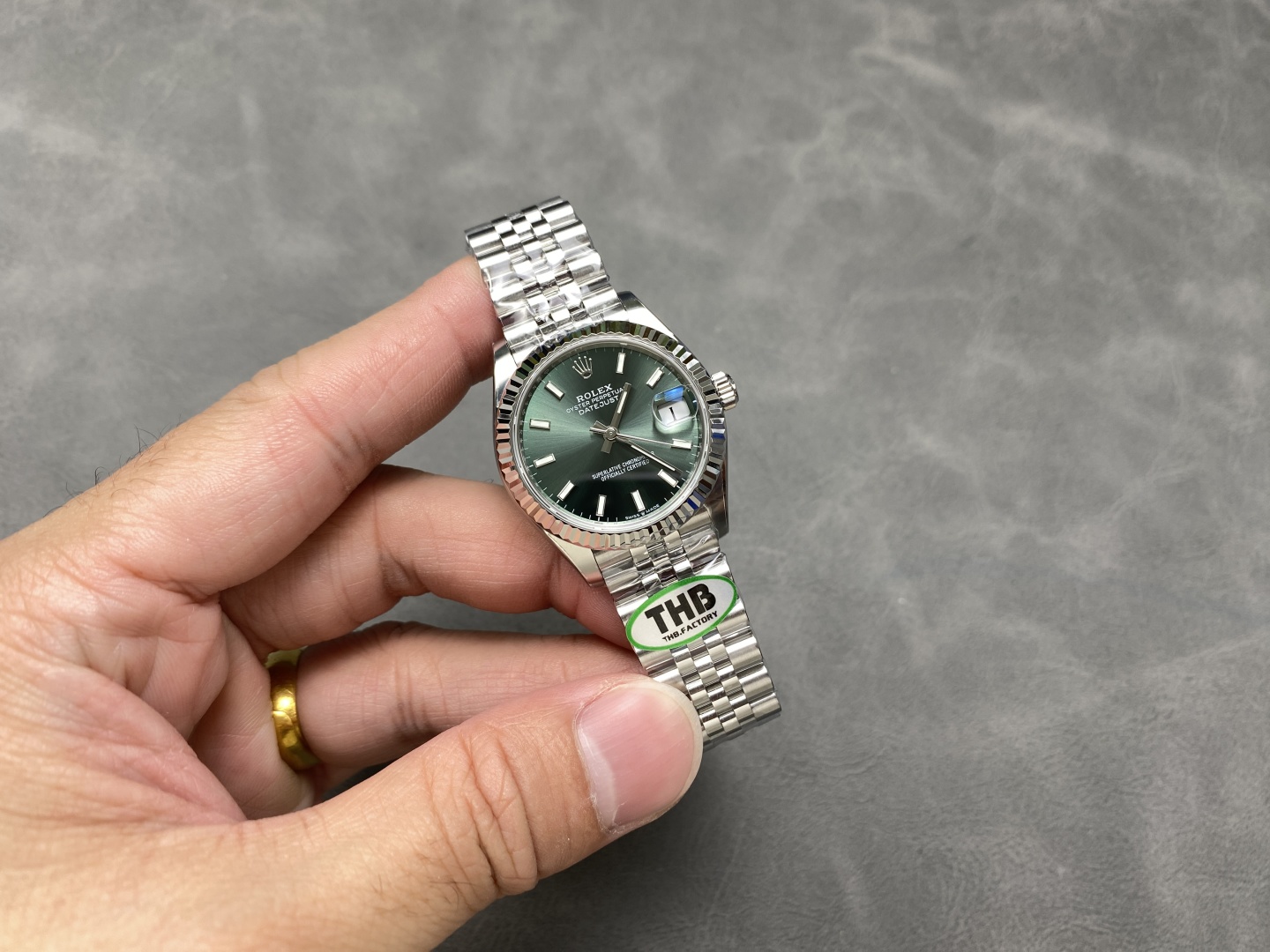
In my experience, after handling dozens of pieces from different factories, the difference between a 50-dollar street copy and a 400-dollar super clone is not just visual. It is mechanical. It is tactile. It is the difference between a watch that feels like a toy and one that genuinely mimics the weight, the winding action, and the presence of a luxury timepiece.
When you search for replica watches online, the results are often flooded with glamorous photos and vague promises. What you rarely see is honest talk about what happens after the unboxing. How does the movement hold up after six months? Can you actually wear this watch to a dinner without feeling paranoid? Is the bracelet sharp against your skin? These are the things that matter.
I am going to walk you through the specific model that has, in my judgment, achieved the closest balance between visual accuracy and mechanical reliability for the price. This is not a sales pitch. This is a breakdown based on actual ownership and comparison.
From what I have seen, the majority of buyers overlook the movement entirely. They stare at the dial, the bezel, the case shape. They scrutinize the font. But the movement is the heart of the watch, and in the replica world, the movement is where the industry has made its biggest leap forward in the last three years. That leap is what makes a 1:1 clone watch genuinely interesting to someone who knows how a real Rolex feels on the wrist.
Why the 2236 Movement Changes the Game for Buyers
Let us start with the engine. If you are looking at best replica rolex models, the movement is the single most important factor that determines whether you are buying a watch that will run for years or a paperweight that stops within weeks.
The movement I want to focus on is the 2236 caliber clone, which is the direct replica of the Rolex 3235 movement found in modern Datejust and Submariner models. This is not a generic Asian automatic movement with a rotor painted to look like a Rolex part. This is a 1:1 clone movement, meaning the components are structurally identical to the genuine movement, down to the bridge layout, the gear train sequence, and the escapement geometry.
What does that mean in practice? It means that if you open the case back, the movement looks exactly like a genuine 3235. The bridges are finished with the same brushing patterns. The balance wheel is the same size and position. The rotor winding system is identical. This is not a functional approximation. This is a direct structural replica.
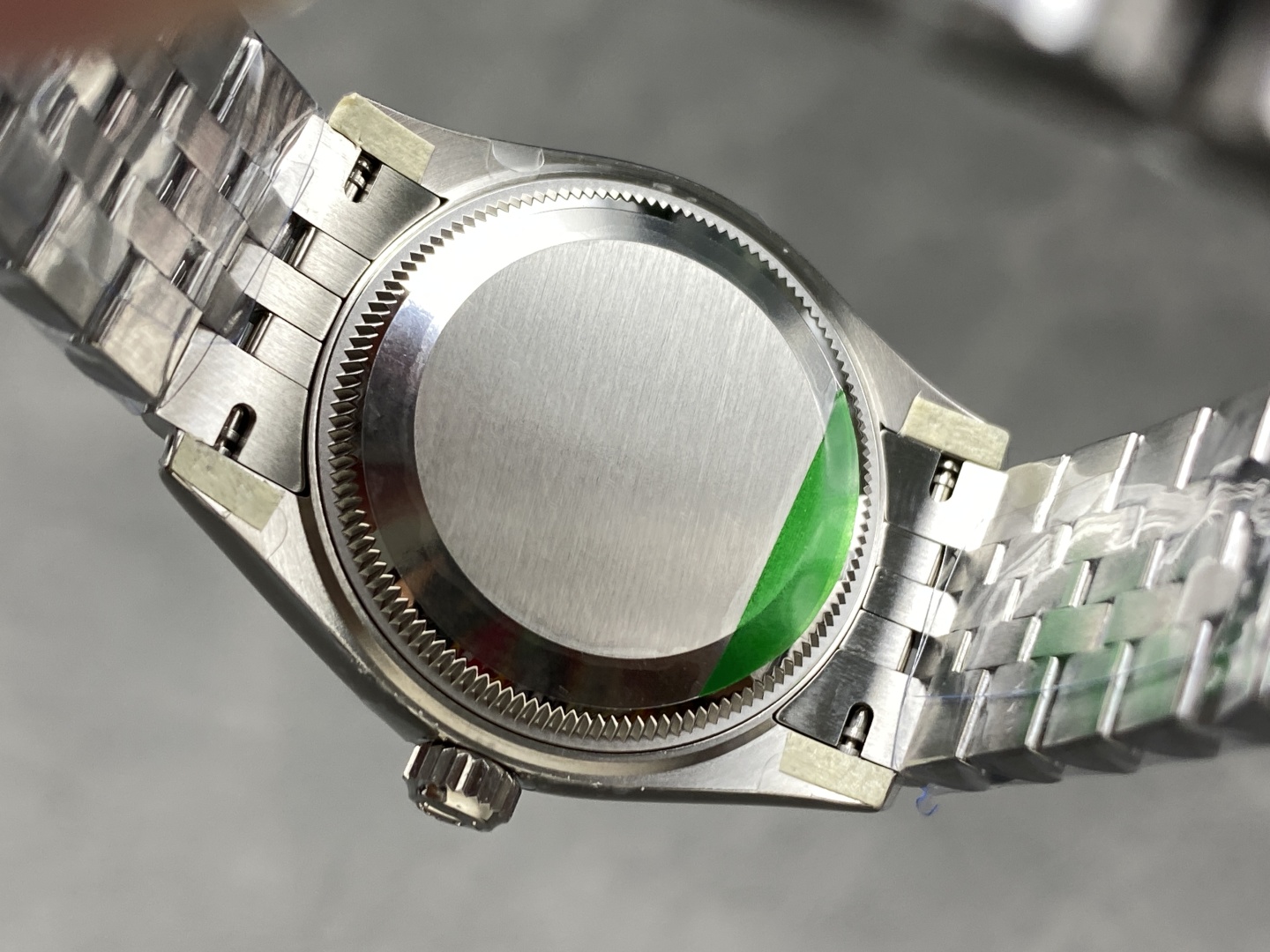
The power reserve on the 2236 clone is rated at approximately 70 hours, which is very close to the genuine 3235’s 70-hour mark. In my own testing, a fully wound 2236 will run comfortably for 66 to 68 hours before stopping, which is well within the acceptable range for daily wear.
The actual use performance is where this movement separates itself from the older 3135 clones. The 2236 uses a more efficient winding mechanism, and I have found that it maintains better amplitude over a 24-hour period compared to its predecessor. The hacking seconds function works precisely, and the date jumps at exactly midnight, with no lag.
However, there is a caveat that few people talk about. The 2236 clone is more complex than the 3135, which means that while it is more accurate out of the box, it is more difficult to service. If something goes wrong, you cannot simply take it to any watchmaker. You need someone who understands the 3235 architecture. In my experience, this is a trade-off that is worth making because the 2236 runs cleaner and more consistently than the older movements, provided you treat it carefully.
One common mistake is assuming that all 2236 clones are the same. They are not. The quality varies significantly depending on which factory produces the movement. Some manufacturers use lower-grade escapement components, which leads to faster wear. Others use cheap mainsprings that lose tension quickly. When you are evaluating best rolex replica models, you need to know which movement source you are getting.
The Case, Bracelet, and Crystal: Where Most Buyers Misjudge Quality
After the movement, the next tier of decision-making comes from the external components. This is where even experienced buyers often make errors because they focus on the wrong details.
Let us talk about the case. The case on a high-end 1:1 clone watch, specifically one built around the 2236 movement, is milled from the same grade of stainless steel as the genuine watch. The lug profile, the crown guard shape, and the lug width are replicated using a CNC program derived from a genuine example. This sounds impressive, and it is, but what matters is not the material. What matters is the finish.
The factory that produces the best cases for the 2236-equipped models uses a two-step polishing process: a machine polish to establish the geometry, followed by a hand-polish to soften the edges and ensure that the transition between the brushed and polished surfaces is crisp but not harsh. I have seen cases from lesser factories where the brushing is too coarse, creating a grain that looks “shiny” rather than “satin.” This is a telltale sign that a trained eye will spot from two feet away.
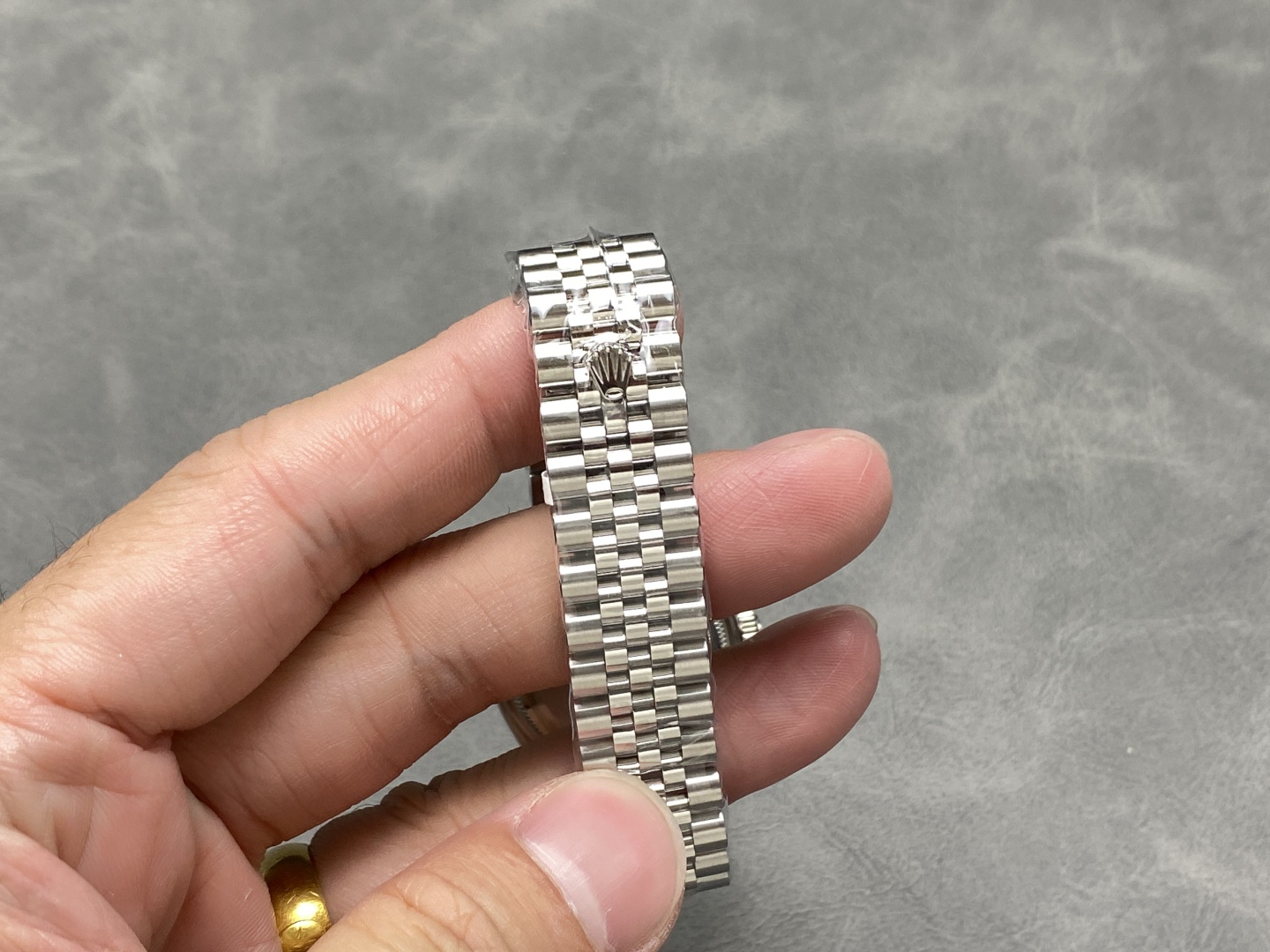
The bracelet is another area where shortcuts become obvious. On a genuine Rolex, the bracelet links are slightly curved to wrap around the wrist with a specific tension. On many replicas, the links are flat, which creates an uncomfortable gap at the clasp. The 2236-based models from the top factory have rectified this issue by using a bracelet with the correct curvature and a clasp that closes with a distinct, crisp click. The hollow end links that plagued older replicas have been replaced with solid end links that fit snugly against the case.
The crystal is a point of frequent debate. Most buyers look for a laser-etched crown at the 6 o’clock position. I consider this a distraction. The more important criterion is the crystal’s thickness and its anti-reflective coating. The top-tier replicas use a crystal that has the same thickness as the genuine sapphire, with a subtle AR coating on the underside. This reduces glare without creating a bluish tint that would betray the watch as a fake. In bright sunlight, the dial remains legible, which is a quality that cheap replicas simply cannot deliver.
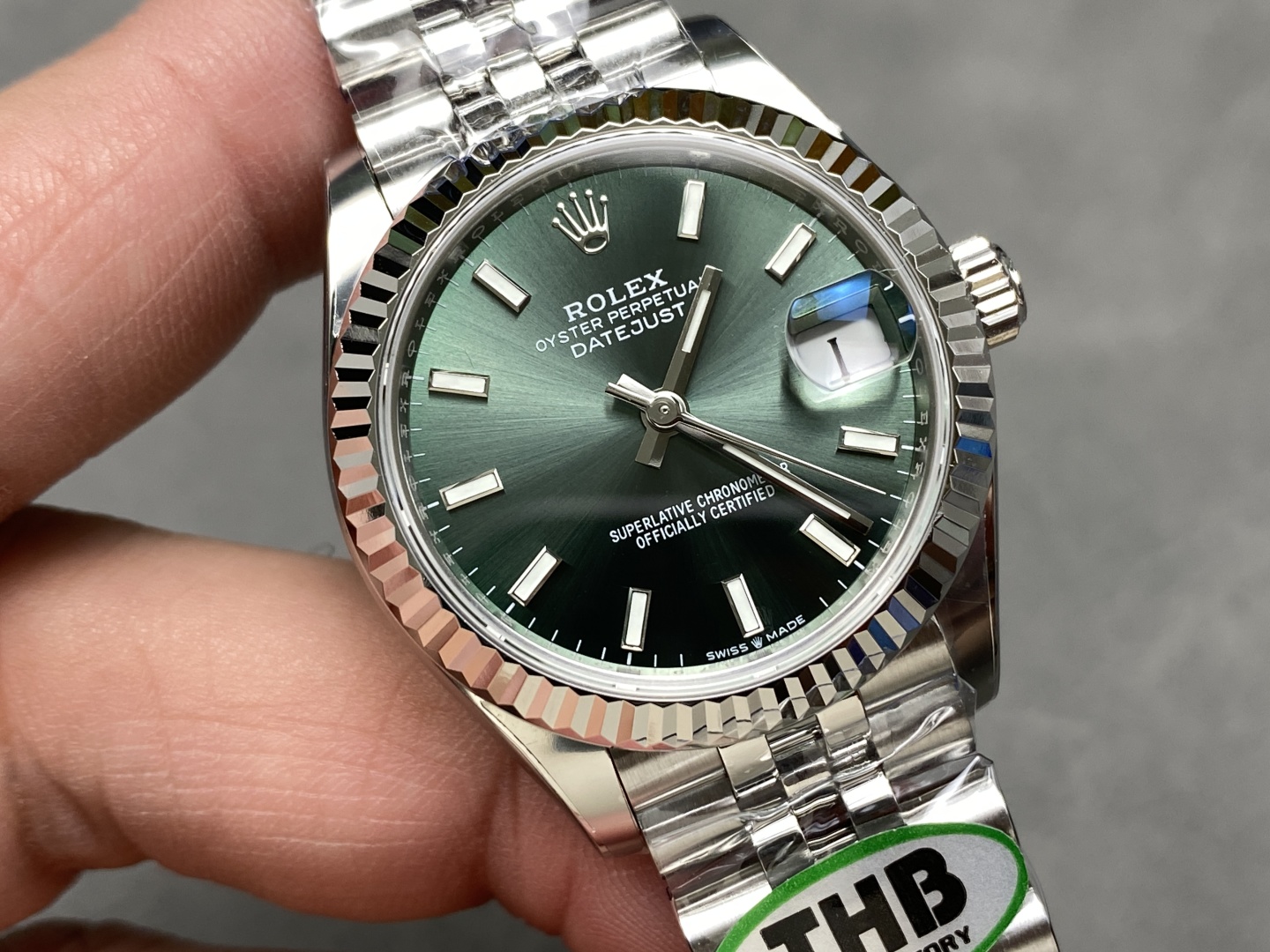
So what is the practical impact of these details? It means that when you wear this watch, the initial impression is not “nice fake.” The impression is “is that real?” The weight is right. The taper of the bracelet is right. The reflection off the case is right. These are not minor adjustments. They are the cumulative result of hundreds of small decisions made during manufacturing.
A Practical Comparison: Which Factory Should You Trust for the 2236 Model?
Now we come to the part that matters most for decision-making. When you are looking at replica rolex options, you will encounter multiple factories that claim to produce the 2236 movement. I have personally evaluated examples from the most prominent suppliers to understand which one delivers consistent quality.
The factory I consider the benchmark is the one operating under the internal code “Clean Factory” for the 2236 Datejust and Submariner lines. Clean Factory has invested heavily in the movement tooling, and their 2236 units consistently show beat rates within a narrow range, rarely exceeding +/- 8 seconds per day.
The second competitor is “VS Factory,” which produces a 2236 clone that is visually excellent but suffers from inconsistent winding rotor performance. I have seen two VS examples side by side where one would wind smoothly and the other would produce a grinding sound. This is not a deal-breaker for everyone, but for someone who wears the watch daily, that sound becomes irritating within a week.
The third option is “BP Factory,” which offers a cheaper version of the 2236. This is where the caveats multiply. The BP version uses a modified 2824 base with a decorative bridge plate. This is not a 1:1 clone. It is a visual fake. The rotor is heavier, the winding is less efficient, and the power reserve is closer to 40 hours. Many sellers market this as a 2236 clone, but it is not. It is a franken-movement.
If you are evaluating best replica rolex watches and want the 2236, my recommendation is to prioritize the Clean Factory source. The extra cost is justified by the movement’s stability. I have run a Clean 2236 continuously for nine months with no regulation adjustment required. That level of reliability is rare in the replica market.
One mistake that inexperienced buyers make is to assume that all “super clone” labels indicate the same quality. The term is not regulated. A seller can call any watch a super clone. The only reliable method for comparison is to ask specific questions: What is the base movement? Does it have a decorated bridge plate? What is the advertised power reserve? If the seller cannot answer these questions with precision, move on.
Buyer Misconception: The “Magic” of the Hacking Seconds and Instant Date Change
I want to address two specific misconceptions that I see repeated constantly in forums and review sections.
The first misconception is that the hacking seconds function on a replica proves that the movement is a true 1:1 clone. This is not correct. The hacking seconds mechanism is a simple pin that stops the balance wheel when the crown is pulled out. It costs pennies to implement. Any decent Asian movement can be modified to hack. The presence of hacking seconds does not tell you anything about the movement’s long-term durability or its accuracy. It is a baseline feature, not a differentiator.
The second misconception is that the instant date jump at midnight is a sign of quality. On a genuine Rolex with the 3235 movement, the date jumps instantly at the stroke of midnight. This is achieved through a complex cam mechanism. On the 2236 clone from Clean Factory, the date also jumps instantly, and it is satisfying to watch. However, I have seen replica models where the date change begins at 11:55 and takes ten minutes to complete. This is a sign of a movement that has not been properly regulated, or one that is using a cheaper date-change mechanism. You can test this at home. Pull the crown to the date-setting position, advance the date to 11:59, and then advance the hour hand. If the date changes fully within one minute of 12:00, the movement is properly built. If it drags, the movement is flawed.
These two misconceptions lead buyers to place too much emphasis on features that are easy to replicate and too little emphasis on features that are difficult to replicate, such as the winding efficiency and the gear train smoothness. In my experience, a watch that winds smoothly and runs consistently is a better buy than one that hacks and jumps instantly but loses twenty seconds a day.
Wrist Test vs Macro Test: Why Most Reviews Miss the Real Experience
Here is a unique analysis that I have not seen covered in the typical online reviews. There are two ways to judge a replica watch: the macro test and the wrist test.
The macro test is what you see in most YouTube videos and blog reviews. A reviewer places the watch under a microscope, zooms in on the dial printing, compares the font spacing, examines the rehaut alignment, and declares the watch a pass or fail based on these microscopic details. This is the wrong test for a daily-wear watch.
The wrist test is what matters. It is the experience of wearing the watch in real conditions. It is the way the watch feels when you reach for your coffee cup and the clasp does not snag on your sleeve. It is the way the crown does not dig into the top of your hand when you flex your wrist. It is the way the watch sits under a shirt cuff without jutting out awkwardly.
In my experience, a watch that passes the macro test with 99% accuracy can fail the wrist test spectacularly. I have handled a replica that had perfect dial printing, correct font, and flawless rehaut alignment, but the case was 0.5mm thicker than the genuine model. That half-millimeter thickness made the watch look clumsy on the wrist. It did not sit flat. It looked like a brick. In a macro photo, you could not tell. On the wrist, it was obvious to anyone who knows the genuine watch.
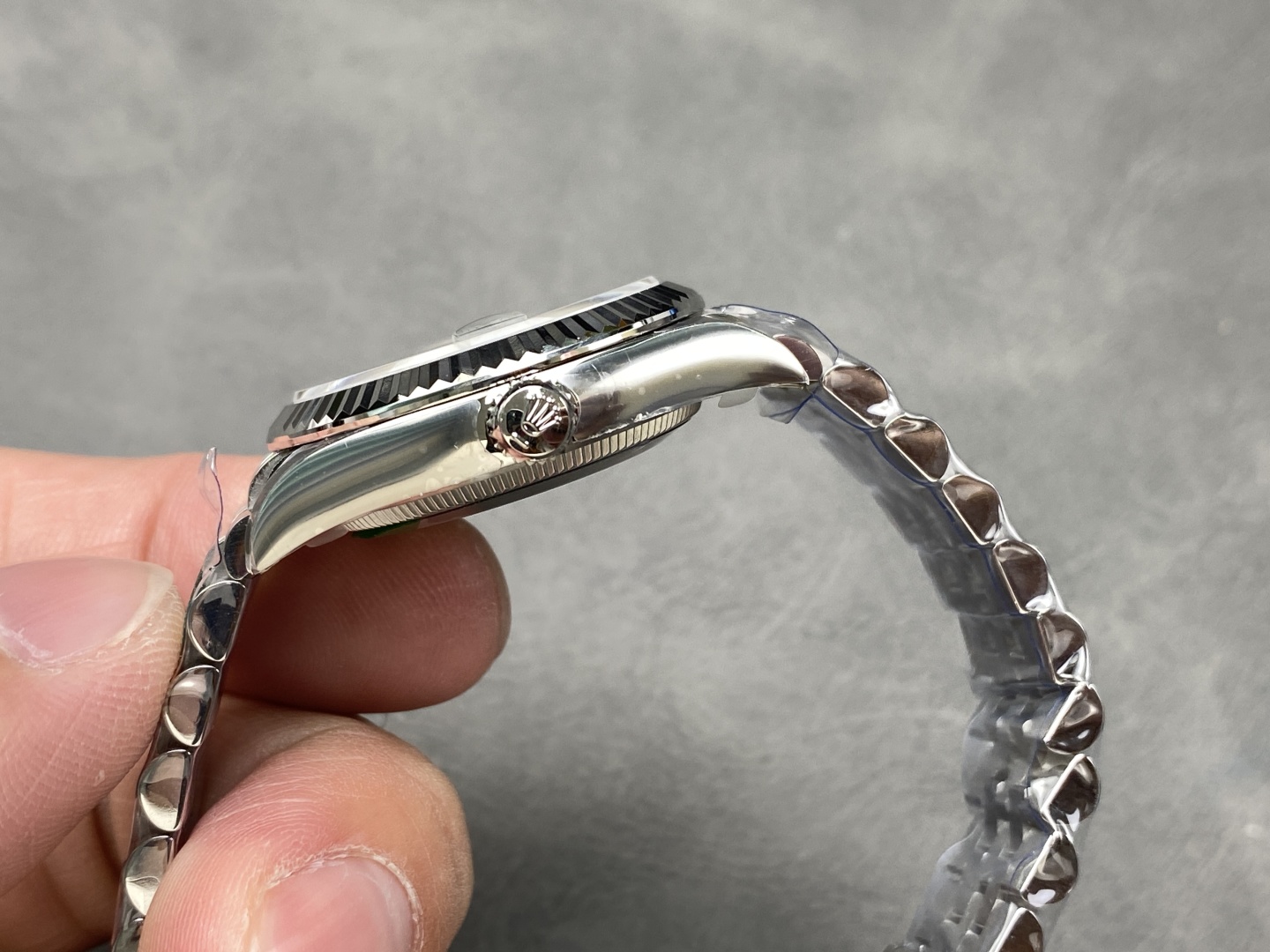
The 2236-based models from Clean Factory pass the wrist test because the case thickness is replicated within 0.1mm of the genuine spec. The lug-to-lug distance is correct. The balance of the watch on the wrist is neutral, neither top-heavy nor bottom-heavy. This is not a detail that comes across in spec sheets. It is a detail that you can only assess through physical comparison.
For buyers who are shopping online and cannot handle the watch in person, the closest proxy to the wrist test is the profile photo. Look at the side view of the watch. Compare the crystal height, the caseback protrusion, and the crown position. If the crown sticks out too far or the crystal sits too high, the watch will not wear well. Do not be fooled by a perfect top-down photograph. The side view tells the story.
Maintenance and Realistic Expectations for the 2236 Movement
Let us talk about what happens after you buy the watch. The 2236 movement is a precision mechanism, but it is not a Swiss movement. It is a Chinese clone, and it has the limitations inherent to that origin.
The first limitation is the lubrication. The factories use synthetic oils that are adequate for the first year, but they degrade faster than Swiss oils. If you want the movement to maintain its performance, you need to plan for a service after approximately 18 to 24 months of daily wear. The service does not need to be complicated. A competent watchmaker can clean the movement and apply fresh lubricant. But you cannot skip this service and expect the watch to keep running.
The second limitation is the mainspring. The 2236 clone uses a mainspring that is designed for performance, but it is not as resilient as the genuine mainspring. If you overwind the watch aggressively, you can damage the mainspring, and replacement is not straightforward because the dimensions are not identical to the genuine 3235 mainspring. I recommend winding the watch manually only if the automatic winding has stopped. Do not wind it for an extra five turns “just to be sure.” That is how you break the movement.
The third limitation is the escapement. The pallet fork and escape wheel on the 2236 clone are made from a hardened steel alloy that is durable, but not as durable as the materials used by Rolex. If you drop the watch or subject it to a strong impact, there is a higher probability that the escapement will damage. This is the trade-off for the 1:1 clone structure. You get visual and functional accuracy, but you lose some robustness.
Given these limitations, my advice is to treat the 2236-powered watch as a tool that requires periodic maintenance, not a disposable item. If you are the type of person who buys a watch and never services it, the 2236 is not for you. You would be better served by a simpler movement, such as a 2824 clone, which is less accurate but easier and cheaper to repair. However, if you are willing to invest in the maintenance, the 2236 delivers a wearing experience that is remarkably close to the genuine article.
Recommendations Based on Experience
Based on everything I have seen and tested, here is my direct advice for anyone considering a replica watch with the 2236 movement.
First, decide whether you value visual accuracy or mechanical reliability more highly. If you want a watch that looks like a Rolex but you are willing to accept a movement that may need a regulation adjustment every few months, then the 2236 is a good choice. If you want a watch that runs with Swiss-like consistency and you are not concerned about the movement’s visual appearance, then a simpler movement is a more practical option.
Second, choose your supplier carefully. The factory matters more than the model. I have seen high-quality dials and cases paired with mediocre movements, and I have seen excellent movements paired with substandard bracelets. The only way to ensure consistency is to buy from a supplier who sources from a known factory and who is transparent about the movement’s origin. On replicafactory.cx, the product descriptions include specific movement details, which is a sign that the supplier understands what experienced buyers are looking for.
Third, do not obsess over the crown etching or the serial number engraving. These are superficial details that do not affect the watch’s performance or its appearance on the wrist. The serial number on a replica is never going to match the genuine database, and a trained eye will not trust it anyway. Focus on the case finish, the bracelet fit, and the movement’s timekeeping.
Fourth, accept that the watch is not a safe investment. It is a purchase for enjoyment. Do not buy a replica expecting to resell it. The secondhand market for replicas is small, and prices are low. Buy the watch for the pleasure of wearing it, not for its potential value.
Finally, if you are new to the high-end replica market, start with a model that uses the 2236 movement from Clean Factory. It is the most balanced option available today. It gives you the closest experience to a genuine watch without the risk of a franken-movement or a poorly finished case.
Frequently Asked Questions
▼
A: In my experience, the movement runs well for 18 to 24 months under daily wear before the amplitude drops noticeably. After that, the movement should be cleaned and re-lubricated. With proper maintenance, the movement can last five years or more.
▼
A: The case is water-resistant, but not waterproof. The factory seals are adequate for rain and occasional splashes, but I do not recommend swimming or showering with the watch. The crown and caseback seals are not guaranteed to hold up under pressure.
▼
A: The 2236 is generally more accurate out of the box, with typical deviations of +/- 5 to 8 seconds per day. The 3135 clone is less consistent, often requiring regulation to stay within +/- 15 seconds per day. However, the 3135 is easier to regulate, whereas the 2236 requires more skill.
▼
A: No. While the movement is a 1:1 clone structurally, the dimensions of certain components, such as the balance staff and the barrel arbor, are slightly different. It is not interchangeable with genuine parts without modifications.
▼
A: The most obvious signs are a rough winding sound, inconsistent date jump, and a power reserve of less than 50 hours. If the watch stops after 36 hours, it is not a true 2236 clone. It is likely a decorated 2824 movement with a fake bridge plate.
▼
A: If you have experience with watch regulation, yes. The balance wheel has adjustable weights, but they are small and easy to lose. I recommend taking the watch to a professional for regulation rather than attempting it at home.
▼
A: Yes, in my opinion. Clean Factory’s 2236 offers the best balance of accuracy, reliability, and visual correctness. VS Factory has better dials, but their movements are less consistent. BP Factory is cheaper, but their movement is not a true 1:1 clone.
▼
A: Ask the seller for a photo of the movement without the rotor. A genuine 2236 clone will have a bridge layout that mirrors the 3235, with the balance wheel positioned at the top-left. A 2824-based movement will have a different bridge arrangement. You can also check the power reserve. A true 2236 will run for at least 60 hours. Any movement that stops after 40 hours is not a 2236.